
If you’re planning on having some type of oral surgery performed, it’s important to start considering what you’ll be able to eat after the procedure. Chances are that your dentist will tell you to stick to soft foods while you’re waiting for your mouth to heal. You may be concerned about eating right while your options are limited, but luckily, there are plenty of nutritious soft foods to choose from. Here’s what you need to know to maintain a healthy soft-food diet.
What are Some Healthy Soft Foods?
Below are some excellent examples of nutritious soft foods that you may want to stock up on prior to your oral surgery.
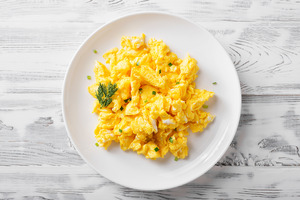
- Scrambled Eggs: Not only are scrambled eggs soft and easy to chew, but they have high levels of protein, which helps promote the healing process.
- Avocados: Avocados contain a wide range of vitamins, minerals, and healthy fats, making them an excellent addition to a soft food diet.
- Soft Fruits: Peaches, kiwis, and other soft fruits can be great sources of vitamin C, which plays an important role in repairing the gums following oral surgery.
- Cooked Vegetables: You can cook carrots and other vegetables to make them soft enough to eat duringyour recovery. The vitamin A in many vegetables can help ensure that the post-surgery healing process goes smoothly.
- Low-Fat Dairy Products: There are plenty of low-fat dairy options that can be included in a soft-food diet, such as cottage cheese and unsweetened yogurts. Dairy products are high in calcium, which is essential for helping the jawbone heal following certain procedures.
- Soups and Broths: Beef broth, chicken broth, and cream of tomato soup are great examples of nutritious soups and broths you can enjoy after dental work. Remember, the soup or broth should be lukewarm or cool; you don’t want to eat anything too hot during the early stages of your recovery.
Why is a Soft Food Diet Necessary?
While you’re planning your soft food diet, you may find yourself wondering why it’s necessary in the first place. Simply put, it’s to ensure that the recovery process goes smoothly. Trying to eat hard or crunchy foods could irritate the surgical site, leading to significant discomfort. It’s therefore better to stick to soft foods that are gentle on your mouth until you’ve sufficiently healed.
By sticking to a well-planned soft-food diet filled with tasty, nutritious options, you can stay healthy after your oral surgery while also continuing to enjoy your meals. Remember, you can always talk to your dentist to see if they have any specific recommendations for a soft-food diet.
About the Author
Dr. Andrew R. Glynn went to The Ohio State University for his dental education. He has completed continuing education courses on a wide range of subjects, including dental implants and digital dentistry. At his practice, Glynn Dental of Reynoldsburg, he is able to offer certain kinds of oral surgery (including dental implant placement and wisdom tooth extractions) in-house. If you have an oral health issue that may require an advanced solution, you can schedule an appointment with Dr. Glynn by visiting his website or calling (614) 864-4618.